 Image 1 of 5
 Image 2 of 5
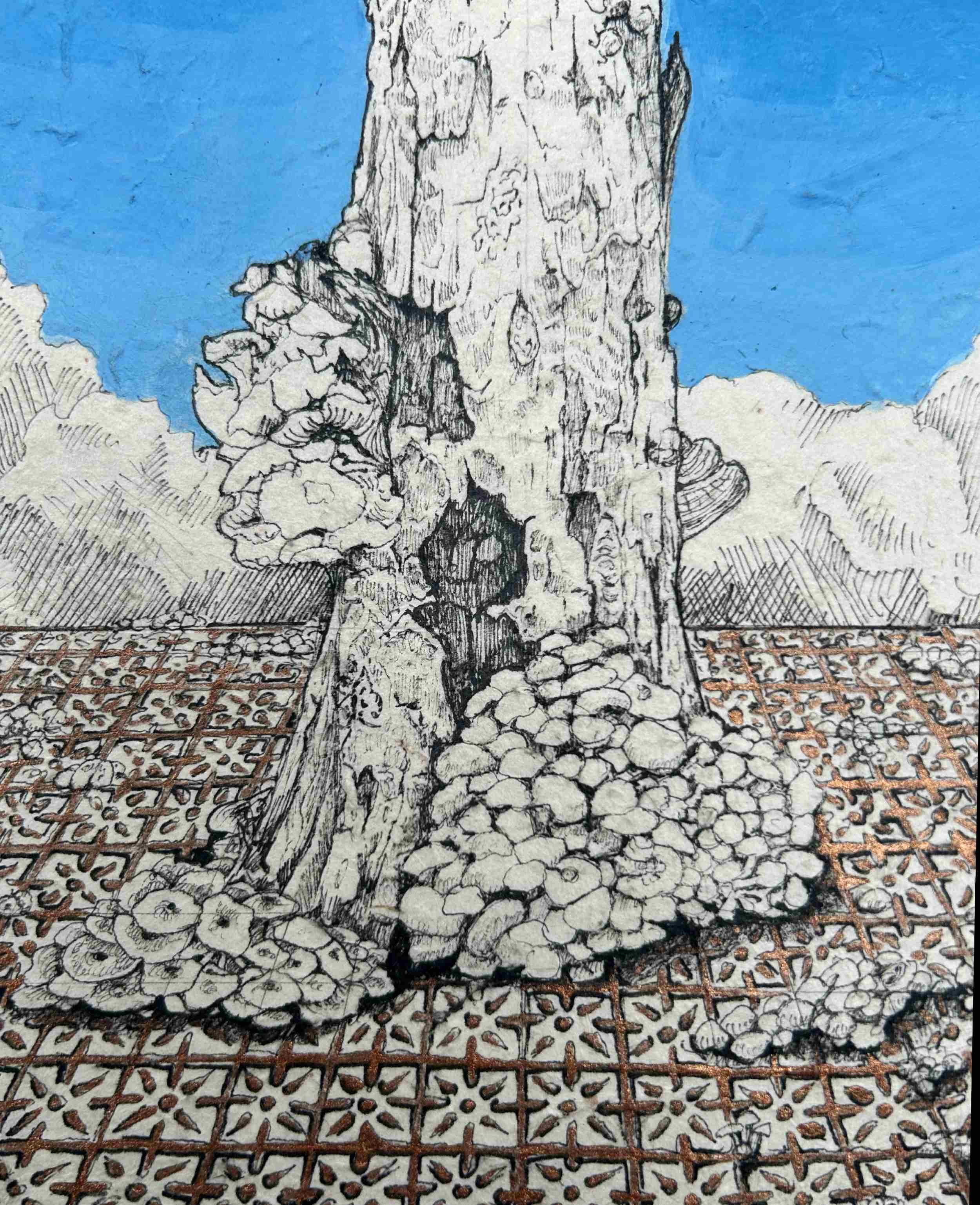 Image 3 of 5
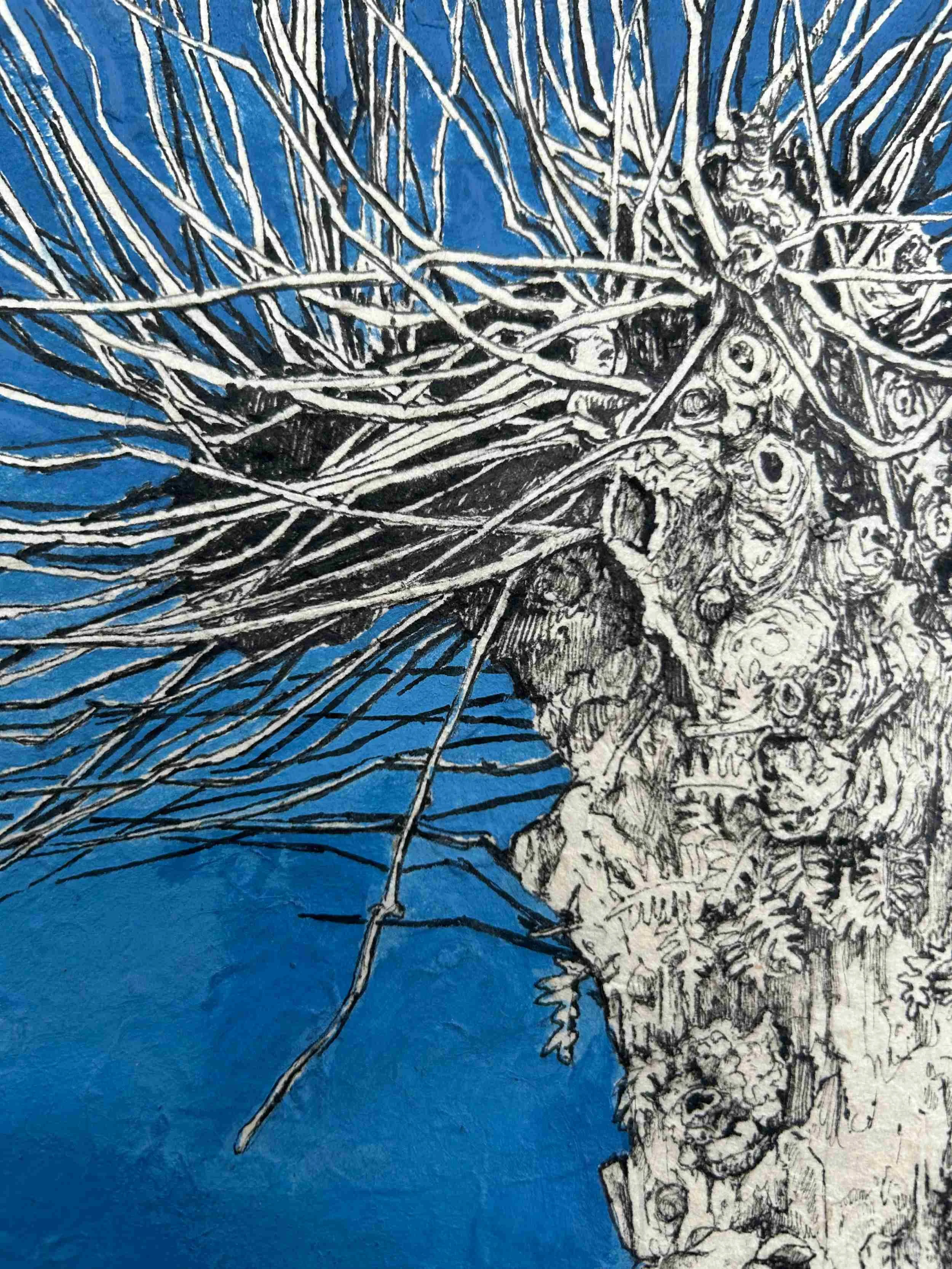 Image 4 of 5
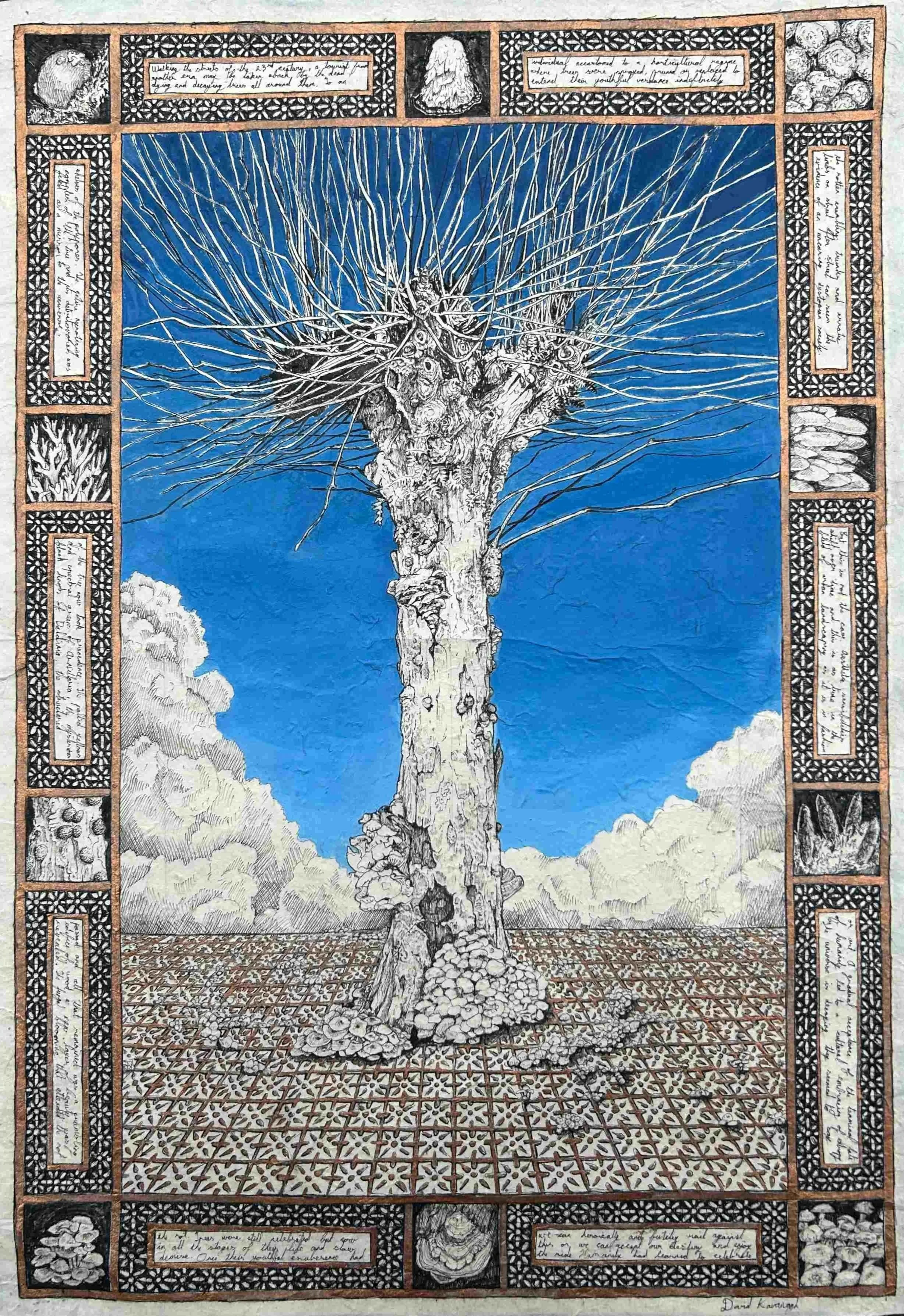 Image 5 of 5
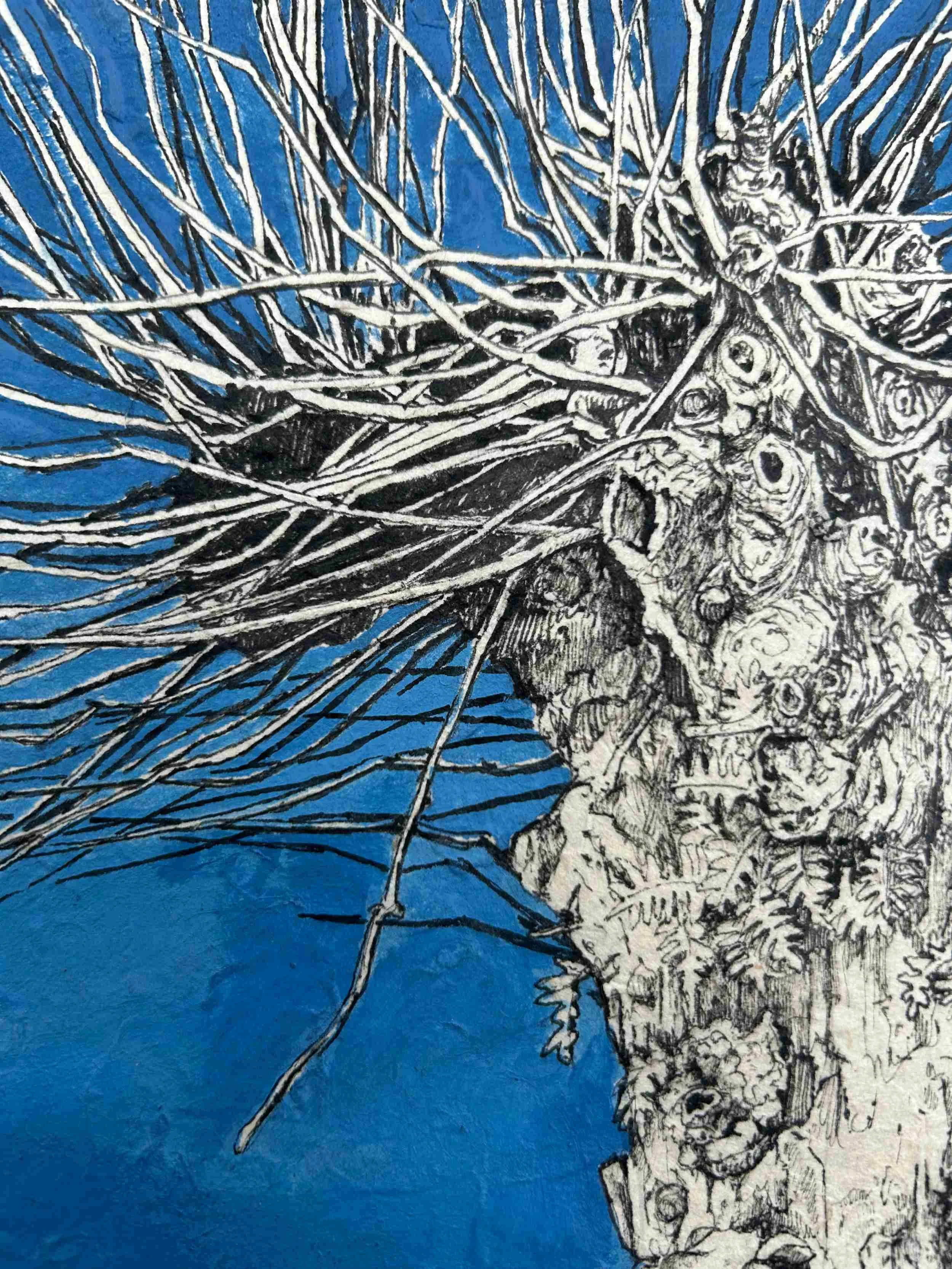
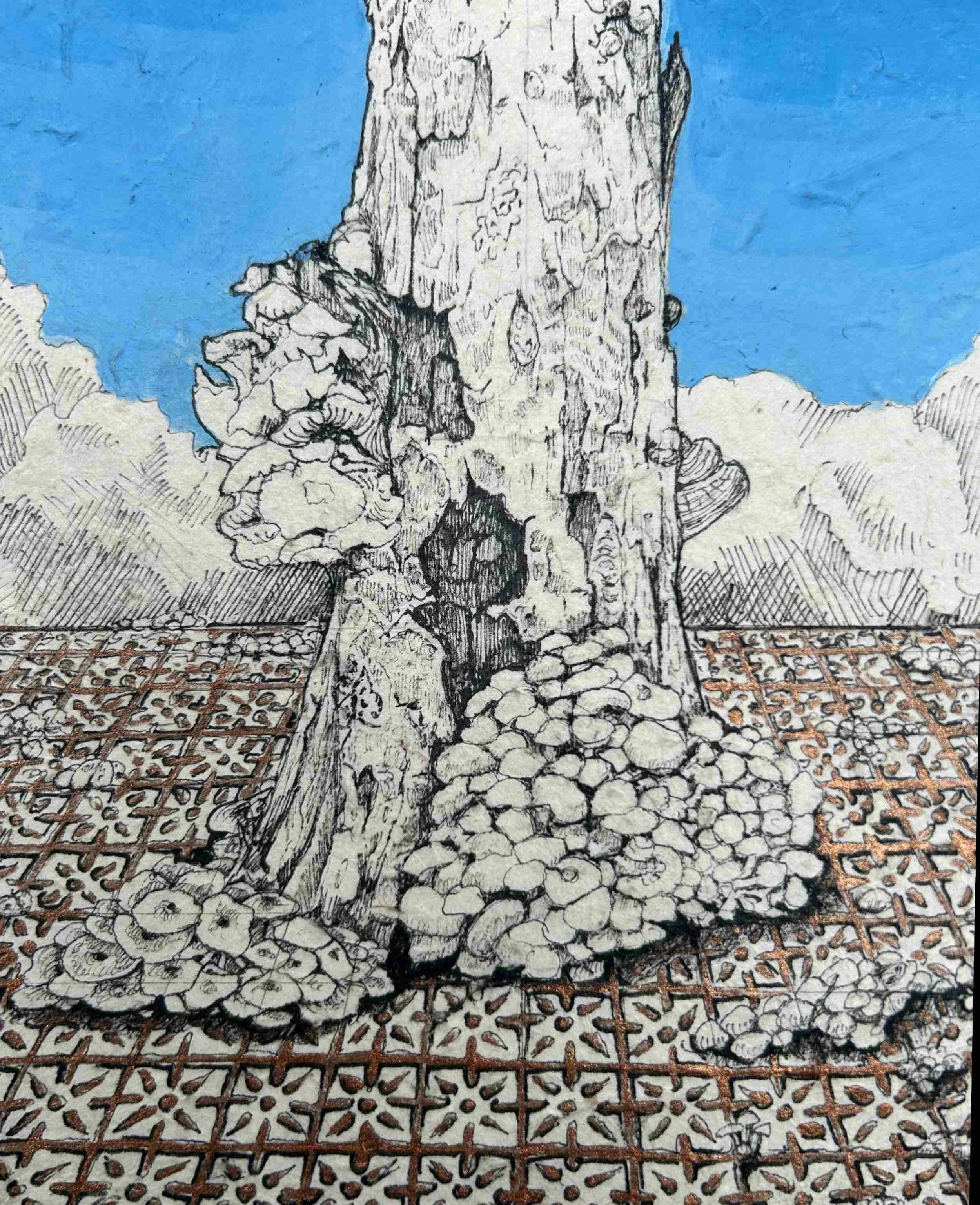
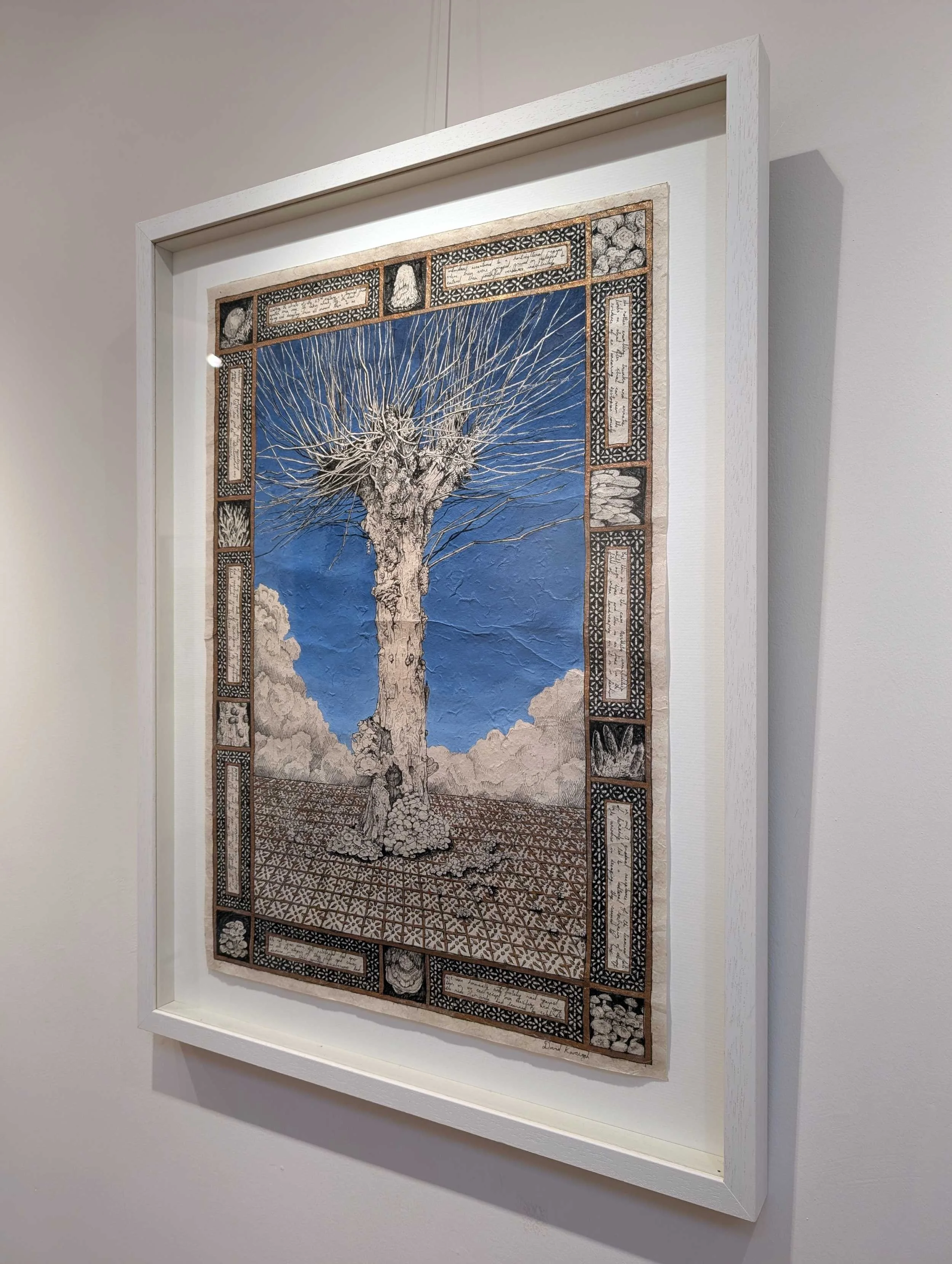
Walking the streets of the 23rd century, a tourist from another era may be taken aback by the dead, dying and decaying trees all around them. To an individual accustomed to a horticultural regime where trees were sprayed, pruned or replaced to extend their youthful verdance indefinitely the rotten crumbling trunks and erratic limbs on street after street can seem the evidence of an uncaring dystopian society.. But this is not the case. Aesthetic sensibilities shift over time and this is as true in the field of urban landscaping as it is in fashion or art. A gradual acceptance of the terminal fate of humanity led to a cultural embracing of entropy. The universe is decaying, they seemed to say, we can heroically and futilely rail against this or we can accept our destiny and enjoy the ride. Humanity had learned to celebrate the rot. Trees were still celebrated but now in all stages of their life and slow demise. Once their youthful exuberance had passed and all that remained was a crumbling edifice of wood a new layer of beauty was revealed. The fungal bloom that attended the rot of the tree took precedence. The pallid yellows and spectral greens of Armillaria, the mysterious black knots of Daldinia, the structured shelves of the polypores, the entire necrotising complex of the tree and its detritivores was feted as a mirror to the universe.